
The Crossing of Athabasca Pass
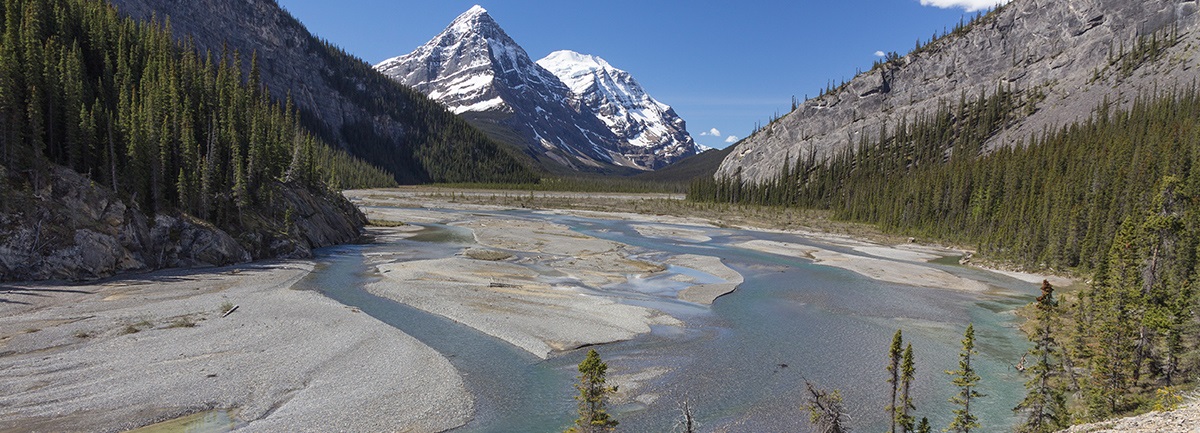
2011 was the bicentennial year of the crossing of Athabasca Pass by David Thompson. Thompson recorded the crossing on 10 January 1811, marking his first passage into the Columbia River basin by this northern route. Athabasca Pass opened a safe, reliable fur trade highway between the eastern posts of the North West Company and the Columbia district and would be operated for 50 years by both the North West Company and the Hudson’s Bay Company. Athabasca pass had been used as transportation corridor by Indigenous people for millennia. More recently it has become an iconic feature of Western Canadian fur trade history, closely linked with survey/trader, David Thompson and his guide during the crossing, Thomas the Iroquois.
To commemorate the occasion, a group travelled to the pass by helicopter to backpack out to Moab Lake in Jasper National Park. I was fortunate to be invited to participate on this trip early in the spring of 2010. The group was comprised of foresters, biologists, a Jasper Park warden, artists and historians such as me. We were helicoptered in August to the pass where we would spend our first night. The helicopter trip up the Whirlpool River Valley was stunning and gave us an overhead idea of the trip were were about to undertake. The most striking scenery awaited us at every turn and small day trips brought us to awe inspiring heights.The weather was slightly overcast with brief periods of smoke originating from a forest fire in British Columbia. The pilot put us down about 100m from where our camp would eventually be. Once camp was set up, we relaxed for the rest of the day exploring our surroundings. For those familiar with Google Earth, the coordinates of my tent (camp) were 52.38480° North and 118.189540° West at an elevation of 1753 meters or 5751feet.
Our second day at the pass led to a trip toward the summit of Mount Brown on the west side of the pass that gave us a stunning view of the Hooker Icefield. The smoke from a nearby forest fire did little to diminish the splendid views. Upon our return to camp my colleagues and I drank a toast to David Thompson and the North West Company. Not to George Simpson or the Hudson’s Bay Company above the lake Simpson referred to as the Committee Punchbowl. And of course, a visit to the historic marker at the pass where I displayed the flag of the North West Company fully.
Truth be known; I had the flag on a pole above camp. I’m sure some where, George Simpson (former Governor of the HBC) was not a happy man. On the second night I was in admiration of the night sky. Nearly 200 years before, while camped in deep snow, David Thompson remarked that “…when night came, we had only wood to make a bottom, and on this to lay wherewith to make a small fire, which soon burnt out and in this exposed situation we passed the rest of a long night without fire, and part of my men had strong feelings of personal insecurity… [and that his] men were not at their ease, yet when night came they admired the brilliancy of the Stars, and as one of them said, he thought he could almost touch them with his hand.” He closed his entry for that day by remarking that “…many reflections came on my mind; a new world was in a manner before me, and my object was to be at the Pacific Ocean before the month of August, how were we to find Provisions, and how many Men would remain with me, for they were dispirited, amidst various thoughts, I fell asleep on my bed of Snow.”
We began our trip toward Moab Lake on the third day during which we passed glaciers and watersheds. During the final leg of the trip, we had an experience, only surpassed by the 19th century blazes still present on the trunks of western red cedars, that occurred while we were walking through the Whirlpool River flats. By mid-day, our group of travelers had spread out into groups of 2 or 3 and within 500 m or so between us. I was travelling with a artist Joseph Cross and his wife when halfway through the flats I noticed a fresh wolf track on the trail edge. I stopped to look across the flats to the tree line to see if the maker of the track was still in the vicinity. Seeing nothing, I took a picture of the track with my walking pole for scale.
Just a few steps later I slowed my walk to look at the multiple fresh tracks (likely 8 or so individuals) now visible of varying sizes. I never saw the wolves that made the tracks, but I had a distinct feeling that I was being watched. We were the second to last group into that night’s campsite. Soon after I began setting up my tent, the last group arrived. One of the foresters on the trip approached me and asked if I had seen the wolf tracks on the trail. I said that I had and to my surprise he responded that the wolf tracks he saw were on top of our boot tracks. Since I saw no wolf tracks covering the boot tracks of those ahead of us that day, the wolves had clearly circled around and followed us for a while. How long? I will never really know.
Over the next couple of days, as we got closer to Moab Lake, the smoke in the air seemed to clear and unfortunately our journey, a six-day trip of commemoration, concluded. It was over far too soon, and not enough pictures taken. As one as familiar with the story of David Thompson, I was grateful to once again traverse the same ground he did that most people will never see.

Our ride to the pass (that’s me, to the right of the nose of the helicopter)

Camp Location at the Pass
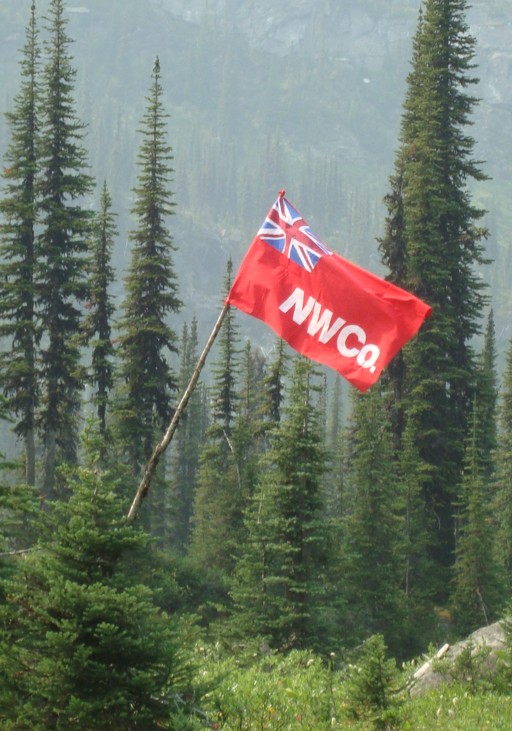
The NWC Flag at Camp
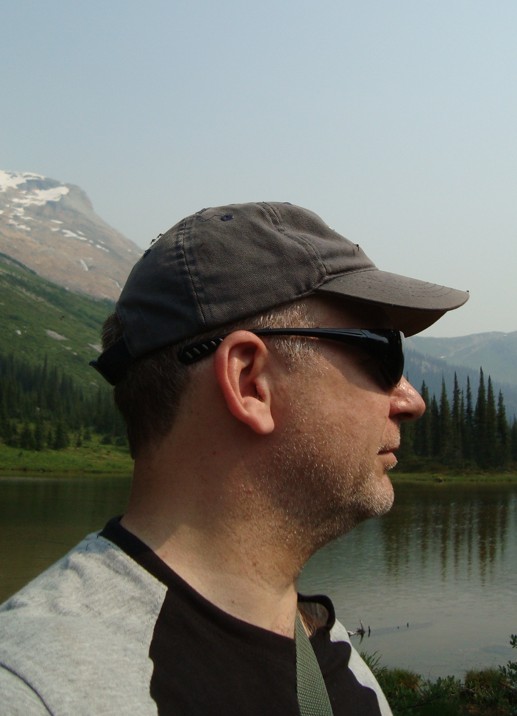
Exploring Camp and the Committee Punchbowl
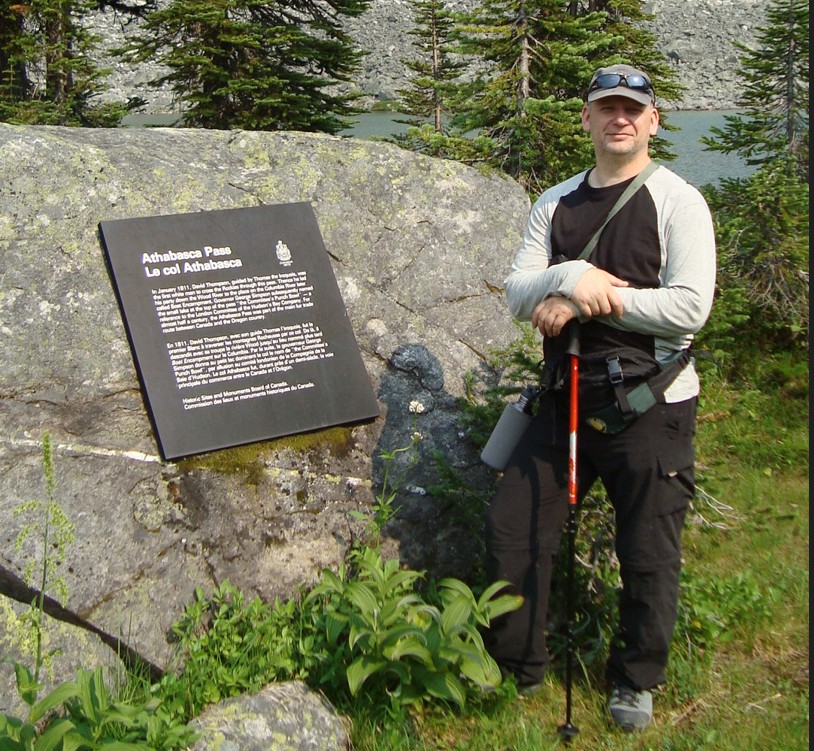
Historical Marker and a toast to the North West Company
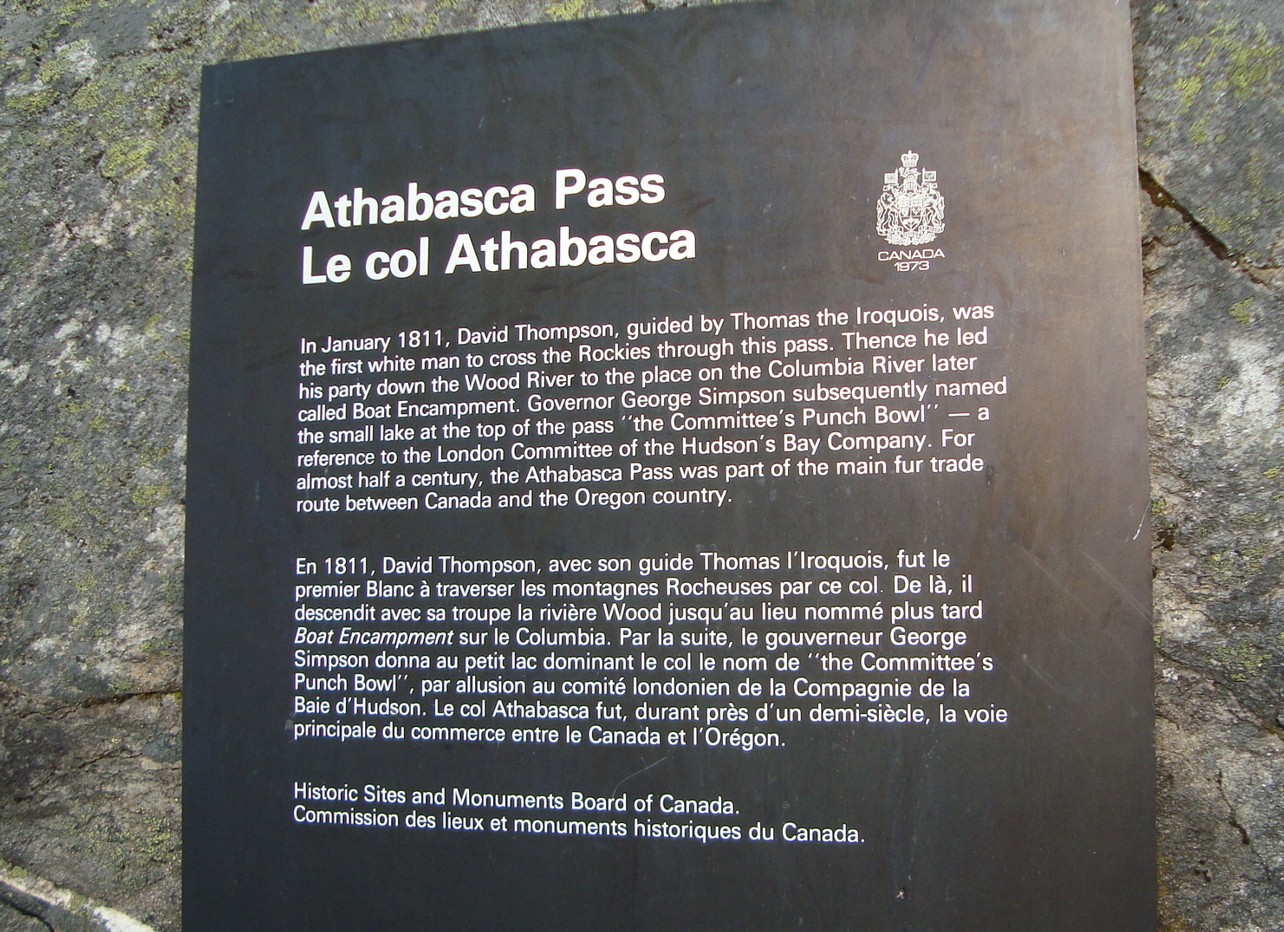
Athabasca Pass National Historic Site Marker

The Hooker Icefield above the Committee Punch Bowl
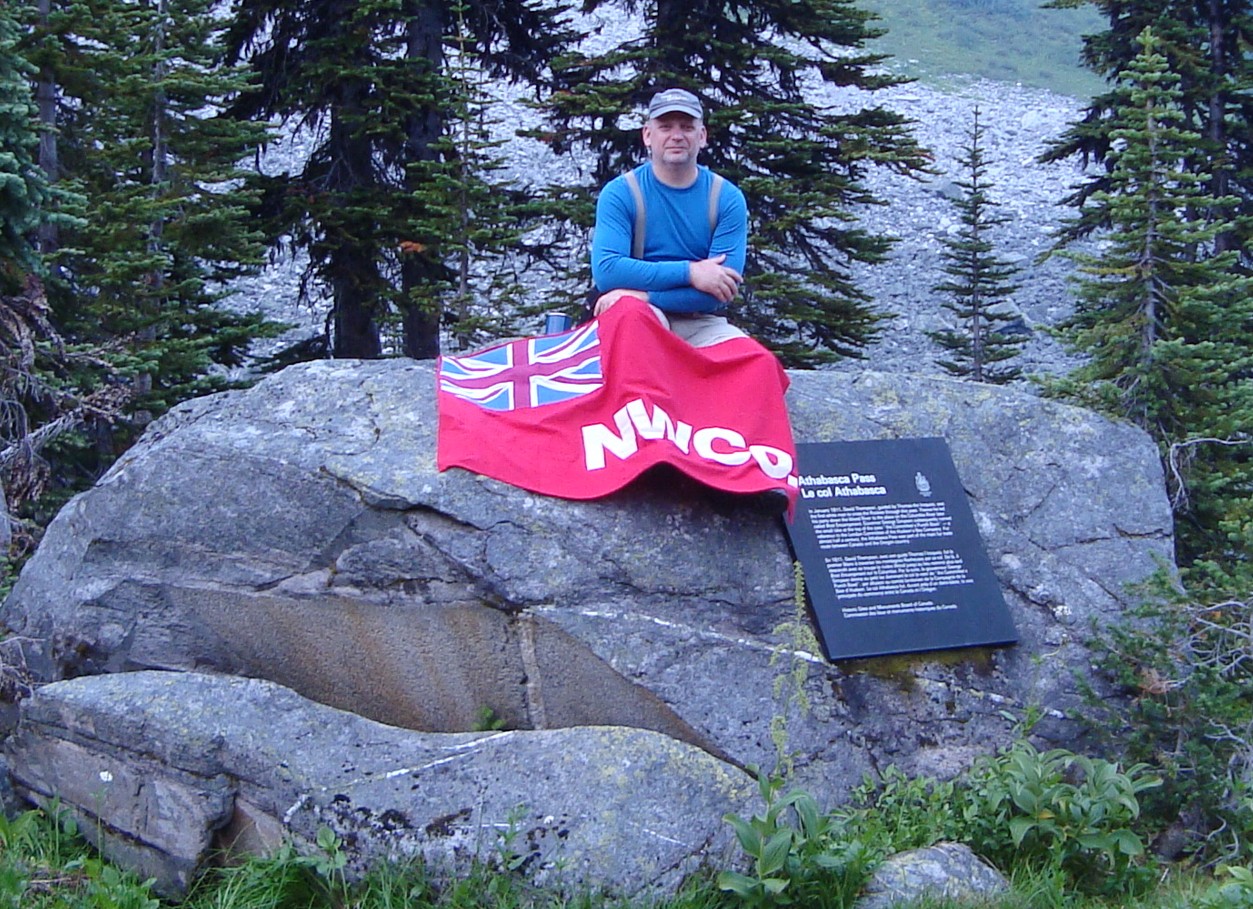
National Historic Site Marker and a toast to David Thompson
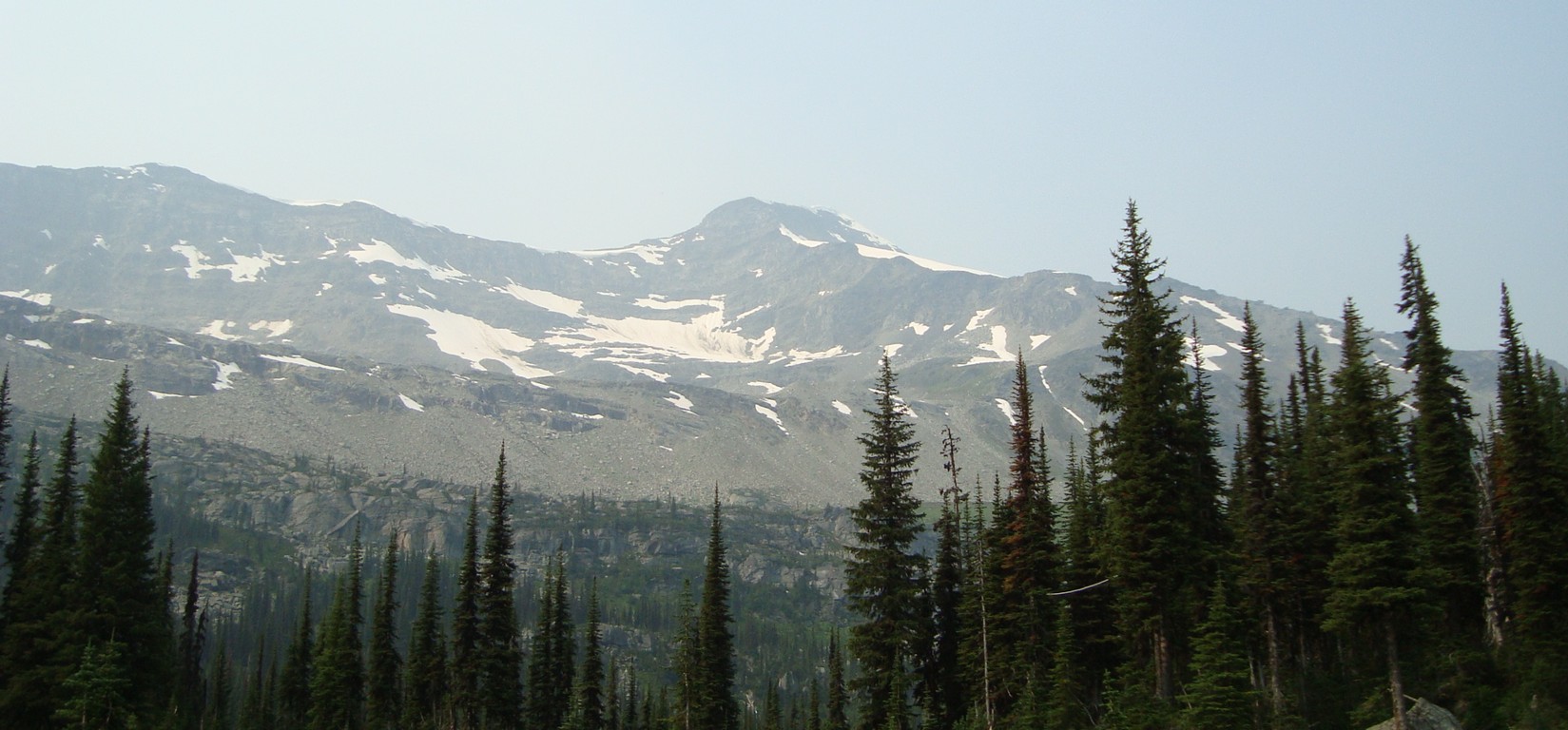
Mount Brown from Camp

The Hooker Icefield from the ridge on Mount Brown (lots of forest fire smoke)

19th Century Blaze on a Western Red Cedar

Crossing the Paul Kane River

Taking a Rest
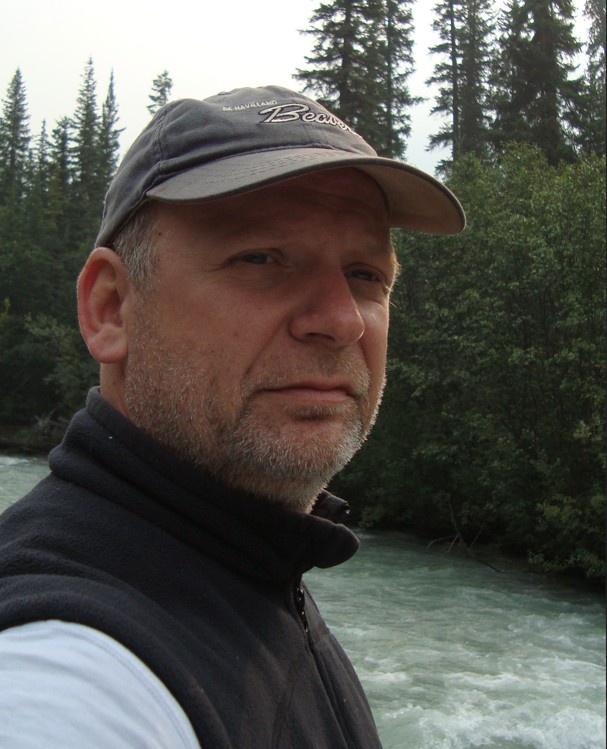
Exploring after making camp (probably Day 4)
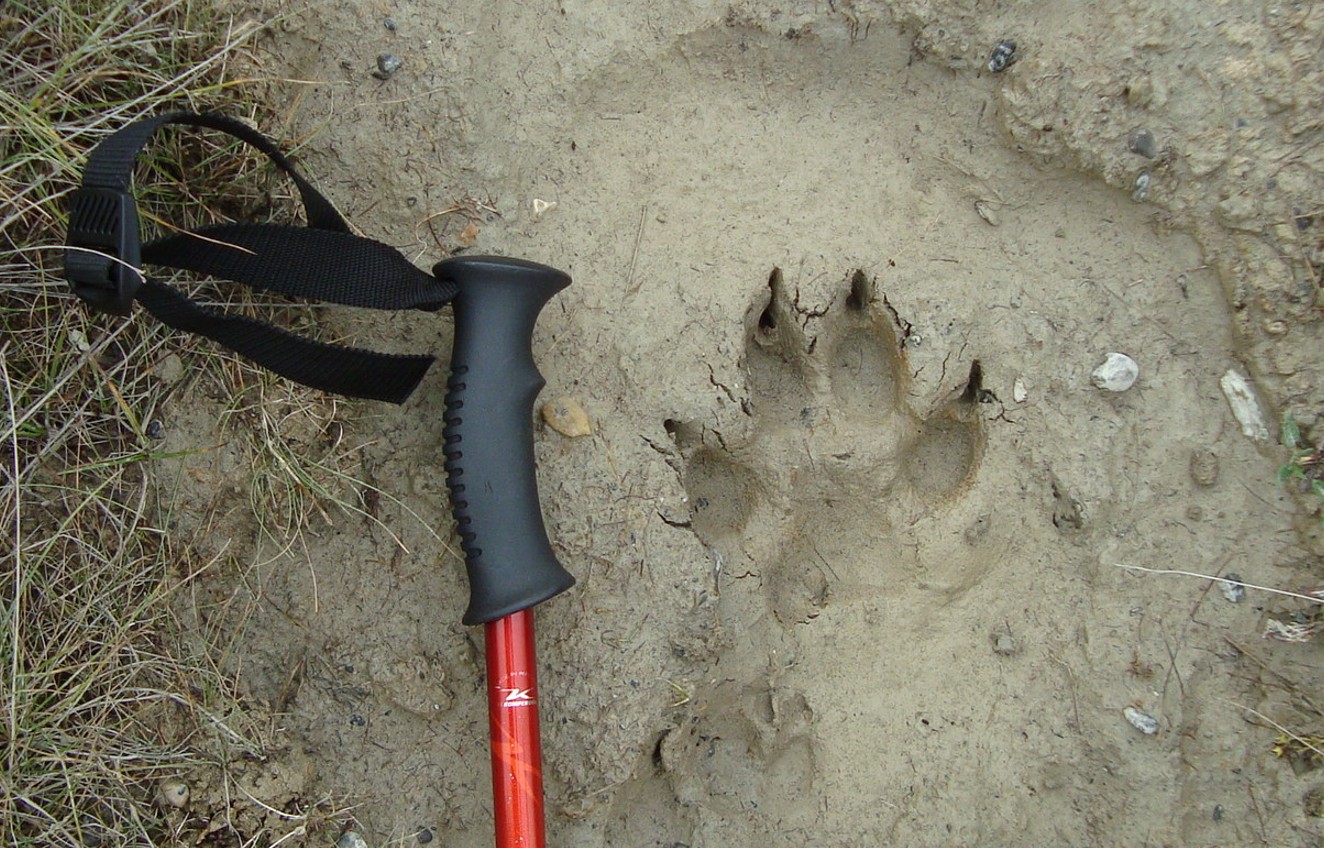
We were being watched
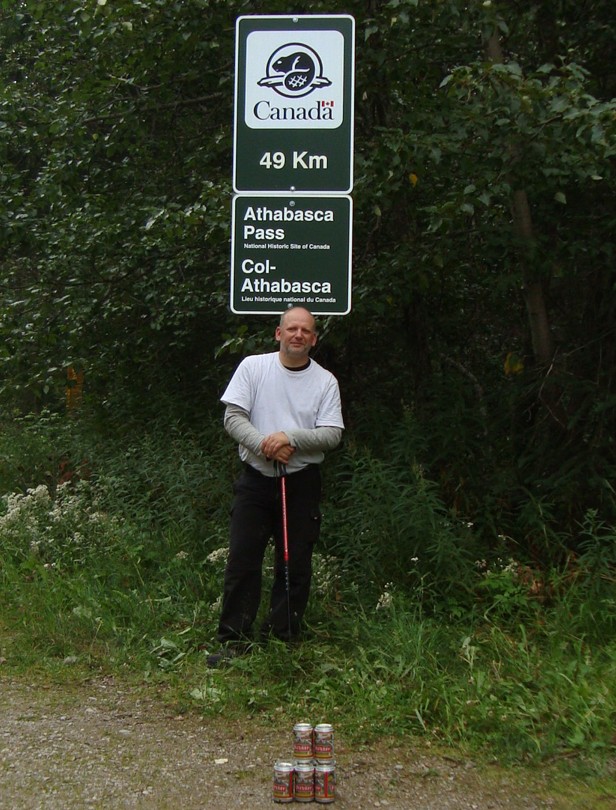
End of the trek