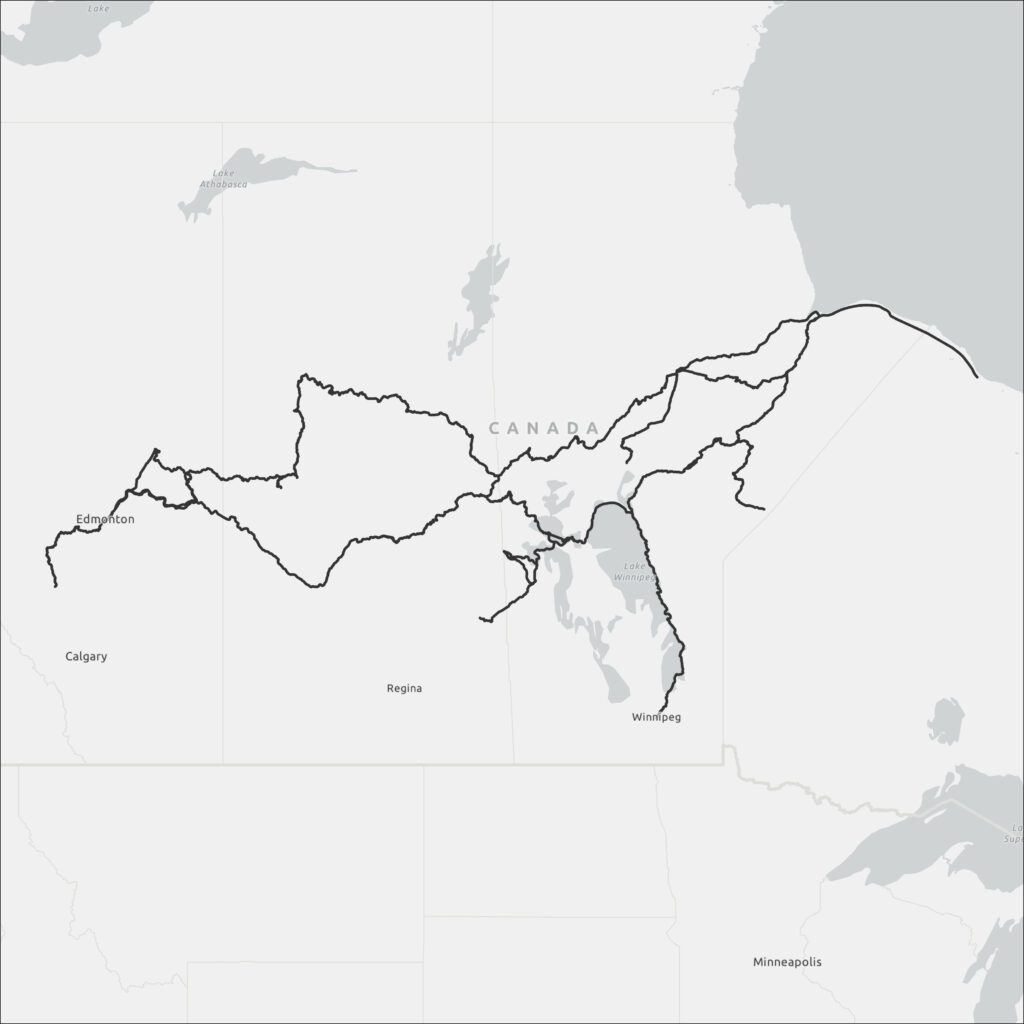
The Travels of Charles Isham 1774-1814
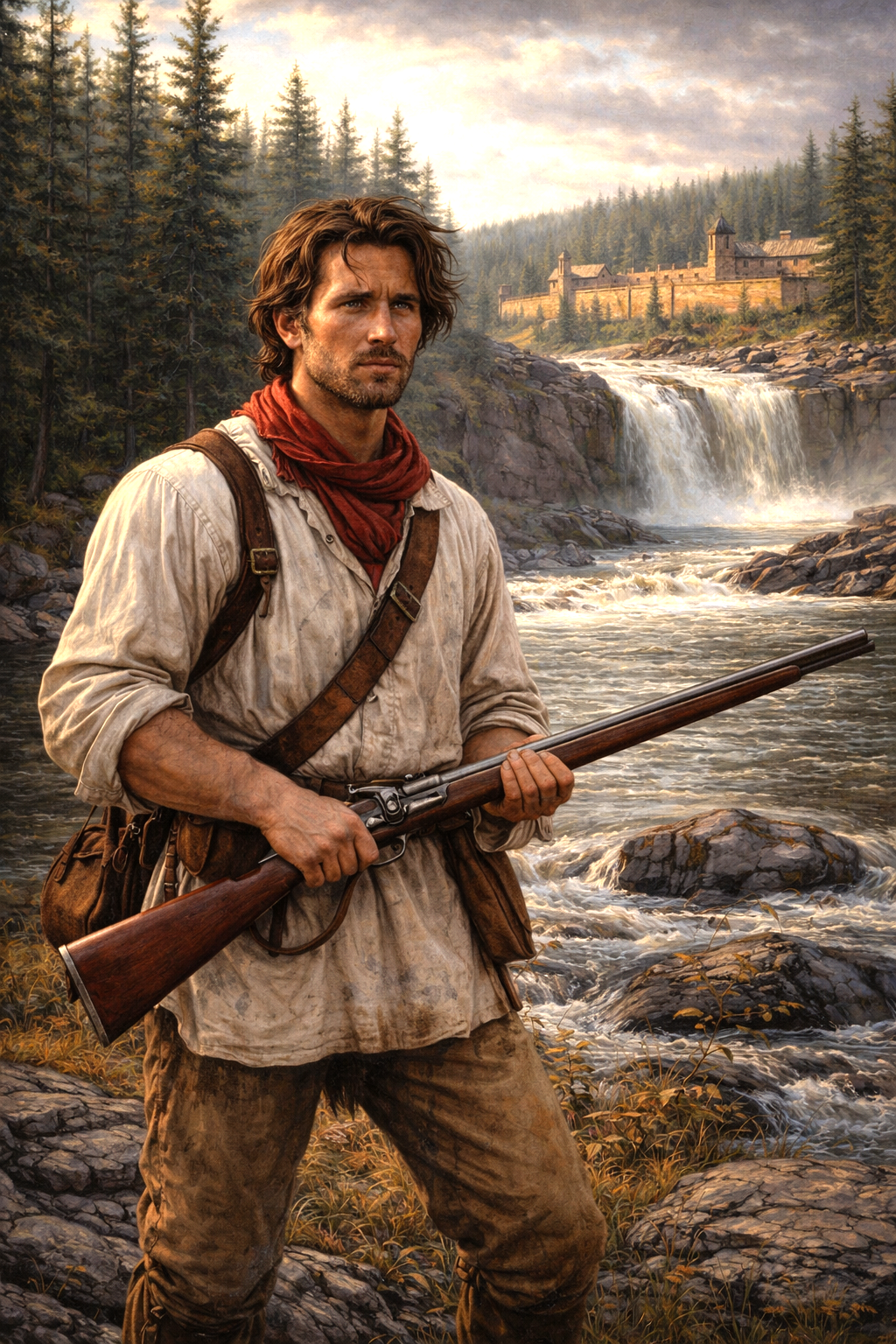
An artistic Rendition of Charles Isham
Charles Thomas Isham began his career with the Hudson’s Bay Company (HBC) as an apprentice at Fort Severn in 1766. In 1774, he accompanied Samuel Hearne to Cumberland House. Despite early setbacks, Isham proved himself as one of the few company men with the technical proficiency to steer canoes through the challenging waterways of the Canadian interior.
Throughout the 1770s and 1780s, Isham became a central figure in the fierce competition between the HBC and Montreal-based North West Company. His fluency in Indigenous languages and deep rapport with the indigenous people made him a primary target for his rivals. Philip Turnor praised him highly, noting that he was “well beloved by the Indians and speaks the language exceedingly well,” further demonstrating the strong respect he earned from his Indigenous trading partners. So much so that at one-point, independent traders leveled a murder threat against him, blaming his influence for their declining trade.
He survived the smallpox epidemic of 1781–82, a testament to his resilience during a period that devastated the surrounding populations and transformed the regional fur trade. In 1789, Isham was promoted to Inland Trader and Supervisor of Canoes, eventually overseeing several key posts including Swan River, Carlton House, and Jack River House. He faced constant logistical hurdles, from a chronic shortage of skilled laborers to internal friction with fellow HBC officers like William Tomison. Despite these professional stresses, he maintained his sensibilities and was often referred to as “Mr. Isham of the wilderness”.
Isham’s long career concluded with a stint as an interpreter for the Red River Colony in 1812 under Miles Macdonell. His nearly five decades of service were defined by a rare ability to navigate both the physical Canadian landscape and the complex social dynamics of the fur trade. He died shortly after retirement in 1814, leaving behind a legacy as a rugged, indispensable link between the HBC and the Indigenous nations of the western Canada.
The travels of Charles Isham were researched from published journal and other records. From the completed research, spatial data was created and is organized into the fields Year, Route, Leg, Departed, Arrived, Origin, and Destination. The data is in ESRI shapefile format and can be acquired HERE.
The Travels of Charles Isham 1774-1814